Top 10 Benefits of Resistance Sealing Nail Welding Machines?
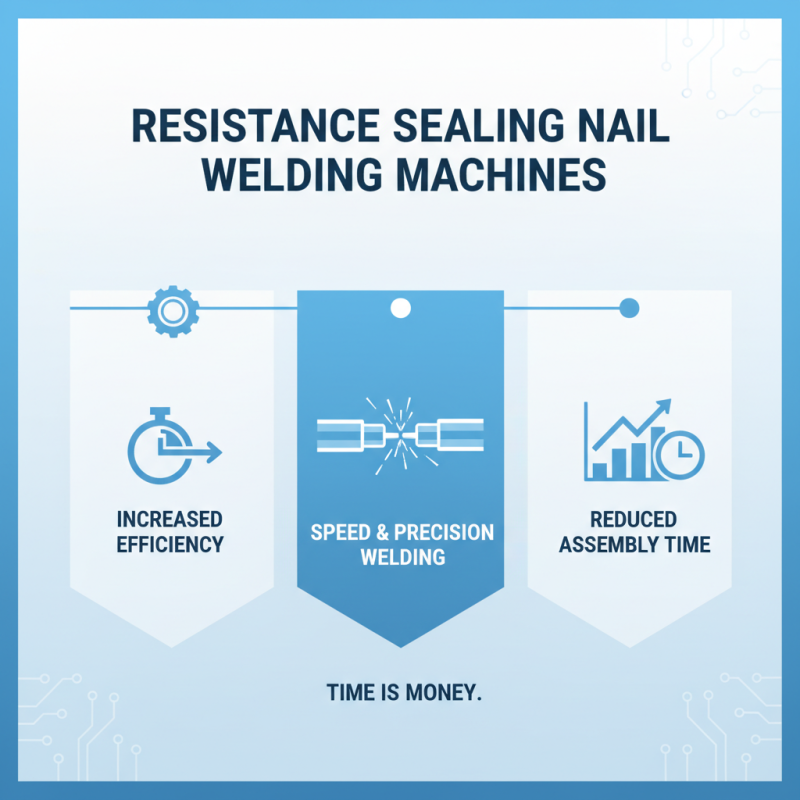
The world of manufacturing is constantly evolving, and advancements are key to improving efficiency. One such innovation is the Resistance Sealing Nail Welding Machine. This machine offers significant benefits for various industries, particularly in construction and automotive.
With its ability to create strong seals quickly, the Resistance Sealing Nail Welding Machine enhances productivity. It helps save time and reduces labor costs. Workers can complete tasks more efficiently, resulting in fewer delays on projects. The precision provided by this machine minimizes the risk of errors. However, it requires careful handling and regular maintenance to ensure optimal performance.
Despite these advantages, challenges remain. Some operators may struggle to fully utilize the machine’s capabilities. Training programs are essential to address these gaps. Additionally, the initial investment in such technology might be a concern for smaller companies. Balancing cost with quality remains crucial. Overall, the Resistance Sealing Nail Welding Machine represents a significant advancement worth considering for companies aiming to stay competitive.

Understanding Resistance Sealing Nail Welding Technology
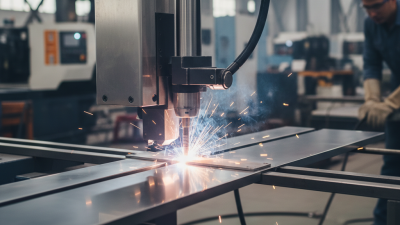
Resistance sealing nail welding technology is a remarkable advancement in the manufacturing sector. It offers high-speed welding processes that ensure strong, reliable seals. This method uses heat generated by electrical resistance to bond materials together efficiently. The result is a neat and secure finish, which is crucial in many applications.
One of the notable benefits of this technology is its precision. The parameters can be finely tuned for different materials and thicknesses. However, achieving the perfect balance often requires extensive experimentation. Operators may face challenges in settings that can lead to inconsistencies. The sensitivity of the equipment can also complicate the learning curve for new technicians.
Another advantage is reduced operational costs. Compared to traditional welding methods, resistance sealing is generally more energy-efficient. Yet, the initial setup can be daunting. Manufacturers need to invest in quality machinery and training. Overcoming these hurdles is vital for long-term success. Ultimately, as with any technology, embracing resistance sealing nail welding requires continuous evaluation and adaptation.
Top 10 Benefits of Resistance Sealing Nail Welding Machines
| Benefit |
Description |
Impact |
| High Efficiency |
Rapid welding process reduces production time. |
Increased output leading to higher profits. |
| Cost-Effectiveness |
Lower operational costs compared to traditional methods. |
Greater savings in material and labor costs. |
| Consistent Quality |
Automated control leads to uniform results. |
Minimized defects and better product standards. |
| Versatility |
Suitable for various materials and thicknesses. |
Ability to adapt to diverse production needs. |
| Reduced Waste |
Efficient use of materials minimizes scrap generation. |
Lower material costs and environmental impact. |
| Easy Operation |
User-friendly interfaces reduce training time. |
Faster integration into manufacturing processes. |
| Enhanced Safety |
Lower risk of injuries compared to manual welding. |
Safer working environment for employees. |
| Energy Efficiency |
Lower energy consumption during operation. |
Reduced operating costs and environmental benefits. |
| Maintenance Friendly |
Simplified maintenance routines increase uptime. |
Improved reliability and production continuity. |
| Scalability |
Easily scalable to meet growing production demands. |
Supports business growth and expansion. |
Enhanced Durability of Welded Joints in Manufacturing Processes
Resistance sealing nail welding machines significantly enhance the durability of welded joints in manufacturing processes. These machines provide consistent and high-quality welding by applying heat directly to the weld area. This method minimizes the risk of defects, which can lead to joint failures. According to a report by the Welding Institute, the use of advanced welding techniques can increase joint strength by up to 30%.
One notable advantage is the reduction in post-weld treatment. Traditional welding often requires extensive grinding, polishing, or other finishing work. Resistance sealing reduces this need, enabling faster production times. Manufacturers often report a decrease in production costs due to this efficiency. Yet, not all applications benefit equally; certain materials may still require additional treatment.
Tips: Ensure proper machine calibration for optimal results. Regular maintenance checks are crucial to prevent breakdowns. A small percentage of operators overlook calibration, leading to inconsistent welds. Understanding the material properties being welded is essential for achieving maximum joint strength. Educating your team about these factors can further bolster production quality.
Improved Efficiency and Speed in Production Lines
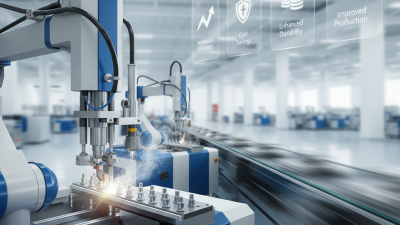
Resistance sealing nail welding machines have revolutionized production lines. They enhance efficiency like never before. These machines weld nails quickly and with great precision. Operators notice a significant decrease in the time taken to assemble products. In this fast-paced environment, every second counts.
Speed and improved output quality are connected. As production lines utilize these machines, error rates drop significantly. Fewer mistakes lead to less rework, which saves time. However, operators sometimes struggle with initial setup phases. It requires careful calibration to optimize performance. Some might find this challenging at first.
With the right training, though, the benefits are clear. Operators can produce more in less time. Additionally, the demand for skilled workers in this field is growing. While efficiency is important, understanding machine maintenance is a recurring theme that needs attention. A balance must be struck between speed and proper care for the machines.
Cost-Effectiveness: Reducing Material Waste in Welding
Resistance sealing nail welding machines have become increasingly popular due to their cost-effectiveness. One key advantage is material waste reduction. According to recent industry reports, up to 20% of materials may be wasted with traditional welding methods. In contrast, more precise welding techniques offer improved efficiency. This means lower material costs and less environmental impact.
For manufacturers looking to optimize their operations, investing in such technology can yield significant savings. Reducing waste not only lowers expenses but also enhances the sustainability profile of production processes. Using advanced simulation software can help identify the ideal welding parameters. This ensures minimal waste while maximizing strength.
Tip: Regularly calibrate your machines to keep them running efficiently. Poor calibration can lead to defects and increased waste.
It's also important to reflect on the overall process. For some, the initial investment in new equipment may seem daunting. However, the return on investment becomes clear as waste decreases. Companies should monitor their progress over time. This data will provide insights into where further improvements can be made.
Versatility of Resistance Sealing Nail Welding Machines in Various Industries
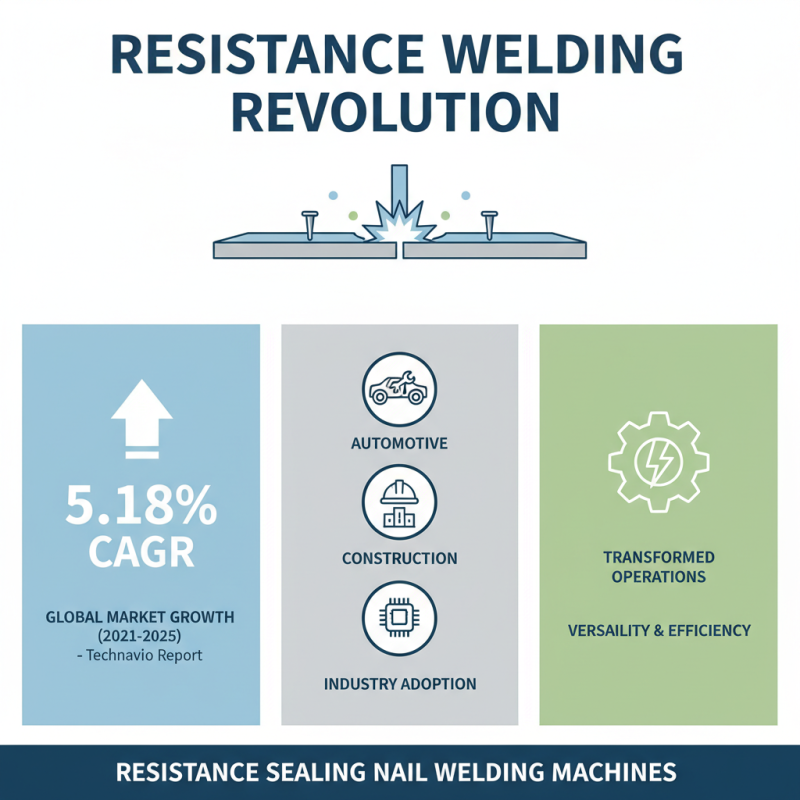
Resistance sealing nail welding machines have transformed operations across various industries. Their versatility is noteworthy. According to a report by Technavio, the global resistance welding market is expected to grow by 5.18% annually through 2025. This growth reflects the increasing adoption of these machines in automotive, construction, and electronics sectors.
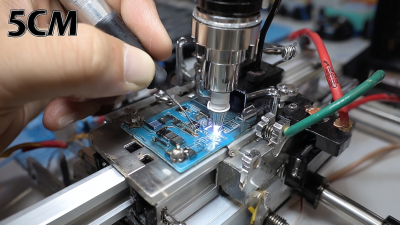
In the automotive industry, these machines are used to bond metal components efficiently. The precision of the welding process ensures uniformity in manufacturing. In electronics, they create secure connections in circuit boards. However, many companies struggle with training staff to operate these machines effectively. This gap can lead to inconsistent production quality.
Despite their many advantages, challenges remain. Some industries may find initial costs high, which can be a barrier. Additionally, maintenance can be demanding, requiring skilled technicians. It's essential for manufacturers to weigh these factors. They must consider not just immediate benefits but also long-term implications for their operations. Efficient use of resistance sealing nail welding machines could mean the difference between success and setbacks in a competitive market.

 Cylindrical Cell Machine Line
  18650 Battery Pilot Line
  Pouch Cell Lab. Line
  Prismatic Cell Machine Line
  Spare Part



 Phone
Phone Send Email
 whatsapp
 Facebook
 Youtube