What is an Integrated Calendering And Slitting Machine?
The Integrated Calendering And Slitting Machine stands at the forefront of modern manufacturing technology. This machine combines two essential processes: calendering and slitting. It serves an important role in various industries, including textiles and packaging. By integrating these functions, efficiency increases, and production time decreases.
Calendering involves flattening and smoothing materials, typically fabrics or films. The machine applies heat and pressure to achieve the desired texture and thickness. The slitting process, on the other hand, cuts the material into precise widths. This versatility multiplies its applications and enhances productivity significantly.
However, the complexity of an Integrated Calendering And Slitting Machine can also lead to challenges. Operators must be well-trained. Maintenance is critical to ensure optimal performance. Any oversight may result in production delays or material waste. Reflection on these aspects underscores the balance between innovation and practical operation.
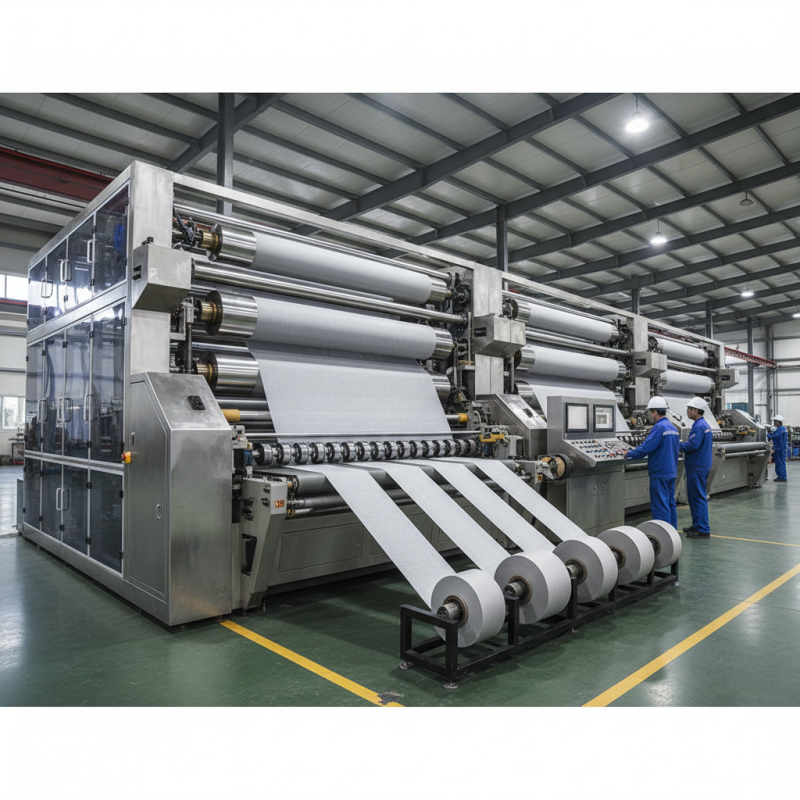
What is an Integrated Calendering And Slitting Machine?
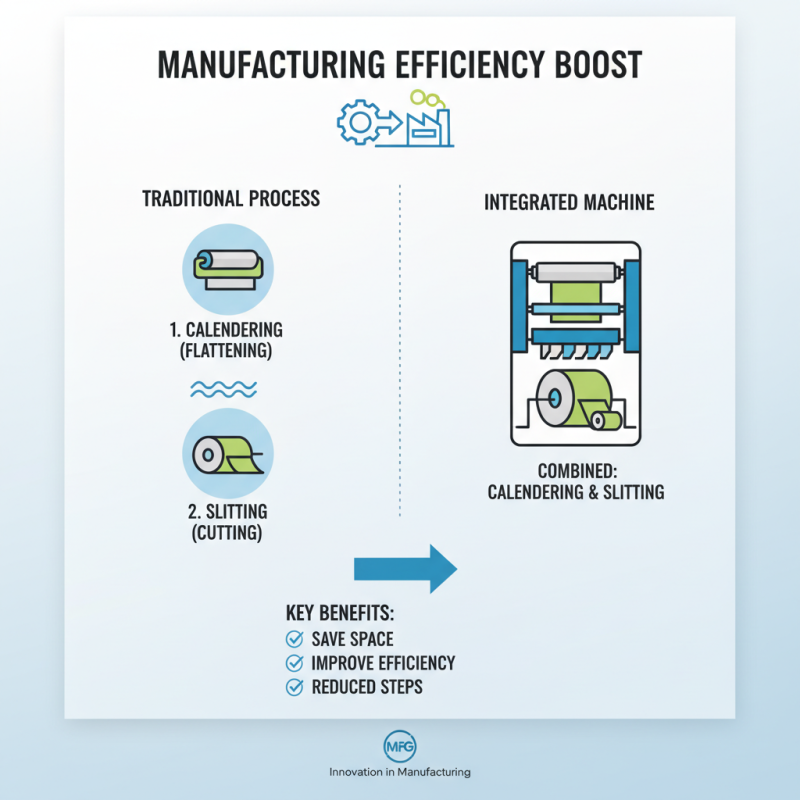
An integrated calendering and slitting machine combines two essential processes in manufacturing. Calendering involves flattening and smoothing materials. Slitting, on the other hand, cuts large rolls into narrower strips. This machine does both, which can save space and improve efficiency.
Manufacturers benefit from this integration. They can produce specific widths and thicknesses more effectively. It is crucial for various applications, from textiles to packaging. However, the challenge lies in setting up the machine correctly. Improper adjustments can lead to waste and defects. Operators must pay attention to details like temperature, pressure, and speed.
The versatility of an integrated calendering and slitting machine highlights its significance in production lines. However, errors can happen easily. Regular maintenance is essential to prevent breakdowns. Understanding the machine’s limitations is equally important. This way, manufacturers can optimize their processes and reduce the risk of complications.
Overview of Integrated Calendering Process in Manufacturing
The integrated calendering process is vital in the manufacturing of flexible materials. It combines calendering and slitting, optimizing efficiency and product quality. According to a report by the Industry Research Institute, this process can reduce production costs by up to 30%. The purpose is to create uniform thickness while also catering to specific end-use requirements.
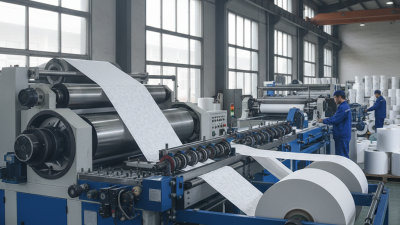
During calendering, materials are passed through heated rollers. This action aligns the polymer chains, enhancing the material's strength and elasticity. Reports indicate that calendering can improve tensile strength by 20% compared to untreated materials. Slitting follows, ensuring precise cutting of the calendared sheets into desired dimensions.
However, the integrated approach requires a careful balance. If the temperature is not meticulously controlled, it may lead to defects. Some operators note inconsistencies in thickness due to varying material properties. These challenges highlight the importance of continuous monitoring and adjustment to maintain output quality.
Key Components and Technologies in Calendering and Slitting Machines
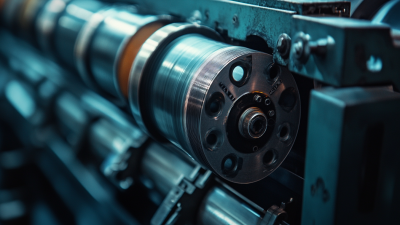
An integrated calendering and slitting machine combines efficiency with versatility. At its core, the system features several key components. Notably, the calendering unit ensures uniform thickness in materials. It consists of multiple rollers, which apply pressure and heat to transform raw materials into smooth sheets. The design of these rollers plays a big role in the final product's quality.
In addition, the slitting mechanism cuts these sheets into precise widths. Sharp blades and adjustable settings ensure accuracy. This is crucial for industries needing customized sizes. Operators may find these adjustments complex at times, leading to operational challenges. Proper training is vital to minimize errors and improve output consistency.
Technology drives this machinery forward. Advanced control systems enhance the precision of calendering and slitting processes. Integration with software allows for real-time monitoring. Yet, there may be hiccups in compatibility. Frequent updates can complicate usability. Overall, while integrated calendering and slitting machines offer immense benefits, navigating their intricacies requires ongoing reflection and adaptation from operators.
Industry Applications and Benefits of Integrated Calendering Systems
Integrated calendering and slitting machines are crucial in various industries. They enhance efficiency by combining calendering and slitting processes into one unit. This integration helps manufacturers save time and resources. For instance, textile and film industries benefit greatly. They can produce high-quality products with tighter tolerances.
The benefits are clear. It optimizes the workflow, minimizing the needed space. Smaller footprints can be essential in production facilities. However, there are challenges too. Training operators for this complex machinery can take time. Maintenance may also be a concern, as breakdowns might disrupt production.
Industry applications extend beyond textiles. Automotive and packaging sectors leverage integrated systems for precision and quality. The accuracy of calendering impacts product durability. Yet, the quest for innovation continues. Balancing speed and quality remains a challenge for many. Finding the right machine set-up can sometimes feel overwhelming. But, the benefits often outweigh the hurdles.
Integrated Calendering Machine Applications and Benefits
Market Trends and Performance Metrics in Calendering and Slitting Sectors
The integrated calendering and slitting machine plays a vital role in the manufacturing process. This machine streamlines the calendering and slitting of materials, enhancing productivity and efficiency. In recent years, the demand for such machines has surged. Industries are increasingly adopting these machines to meet various production needs.
Market trends indicate a shift toward automation. Many companies are investing in advanced technologies. This allows for precise control and consistent quality in processing. Performance metrics reveal improvements in output rates and reduced waste. However, not all manufacturers are ready to embrace these changes. Some still rely on outdated methods, which may hinder their competitiveness.
Environmental considerations are becoming more prominent in this sector. Companies are exploring eco-friendly materials and processes. While this is a positive shift, challenges exist in balancing production costs and sustainability efforts. The integration of sustainability in calendering and slitting remains a work in progress. Efforts need to be continuous to ensure a better future for the industry.
What is an Integrated Calendering And Slitting Machine? - Market Trends and Performance Metrics in Calendering and Slitting Sectors
| Dimension |
Value |
Unit |
| Production Capacity |
5000 |
kg/h |
| Width of Sheet Processed |
2000 |
mm |
| Slitting Speed |
250 |
m/min |
| Power Consumption |
15 |
kW |
| Market Growth Rate |
5.5 |
% |
| Average Return on Investment |
20 |
% |

 Cylindrical Cell Machine Line
  18650 Battery Pilot Line
  Pouch Cell Lab. Line
  Prismatic Cell Machine Line
  Spare Part



 Phone
Phone Send Email
 whatsapp
 Facebook
 Youtube