Why Are Lithium Batteries Important for Modern Technology?
Lithium Batteries play a crucial role in our technology-driven world. As Dr. Emily Chen, a prominent expert in battery technology, states, "Lithium Batteries are the lifeblood of modern gadgets." This statement underlines their significance.
These batteries power everything from smartphones to electric vehicles. Their high energy density makes them ideal for portable devices. However, the rapid demand raises concerns about resource sustainability and environmental impact. We must reflect on how to balance technological advancement with ecological responsibility.
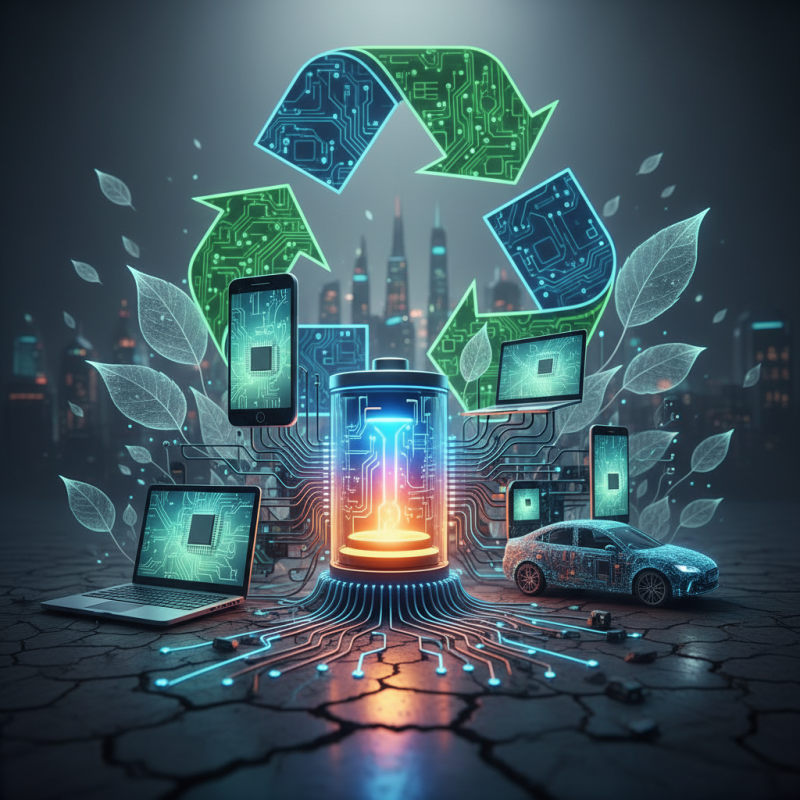
Experts note that while Lithium Batteries are efficient, recycling remains a challenge. Many batteries end up in landfills, posing risks to the environment. It's vital to think critically about innovative recycling solutions. By addressing these issues, we can ensure that Lithium Batteries continue to support advancements without compromising our planet’s health.
The Role of Lithium Batteries in Energy Storage Solutions
Lithium batteries are transforming energy storage solutions worldwide. Their lightweight design and high energy density make them ideal for various applications. Many people rely on these batteries for smartphones and electric vehicles. When charged, they can hold a significant amount of energy in a compact form. This efficiency has driven advancements in renewable energy technology.
However, the widespread use of lithium batteries raises concerns. Extraction processes for lithium can harm the environment. Issues like water depletion and pollution need careful attention. There are also questions about the long-term sustainability of lithium mining. As we invest in these technologies, we should reflect on their broader impact. Balancing innovation with environmental responsibility is crucial.
In addition, recycling lithium batteries remains a challenge. Many batteries end up in landfills, contributing to waste. Innovative recycling processes are still in development. It is essential for communities to prioritize sustainable practices. This could lead to better energy storage solutions in the future.
Market Trends: Growth of Lithium Battery Demand in 2023
The demand for lithium batteries is surging in 2023, driven by various technological advancements and consumer needs. According to a recent report by Global Market Insights, the global lithium battery market is expected to reach $100 billion by 2026. This unprecedented growth is indicative of how critical lithium batteries have become in numerous applications.
In 2023 alone, the demand for electric vehicles (EVs) is projected to rise by over 30%, consequently increasing lithium battery requirements. Battery production is not without its challenges. Supply chain issues and environmental concerns around lithium extraction must be addressed. Some regions face criticism for their mining practices, highlighting the need for more sustainable methods.
Moreover, the consumer electronics sector continues to rely heavily on lithium batteries. From smartphones to laptops, these power sources make up the backbone of modern devices. Yet, as manufacturers ramp up production, the question remains: can they keep up with the growing demand sustainably? As demand grows, so does the responsibility to innovate and protect the environment.
Technological Innovations Enhancing Lithium Battery Performance
Lithium batteries have become essential in modern technology. This is largely due to innovations that improve their performance. Researchers are constantly finding ways to enhance energy density. Higher energy density means devices can run longer on a single charge. This is crucial for smartphones and electric vehicles alike.
Another focus is on battery life. New techniques are reducing the wear and tear on lithium batteries. Solid-state batteries are one promising development. They use solid electrolytes, which may offer better safety and performance. However, these technologies are still in their infancy. Challenges exist in production and cost.
Recycling methods for lithium batteries are also evolving. Many materials can be reclaimed, but the process remains complex. Environmental impact is a pressing issue. While technology is advancing, the question of sustainability lingers. The technology needs refinement to make recycling more efficient. Each advancement brings excitement but also highlights areas for improvement.
Environmental Impact of Lithium Battery Production and Disposal
The production and disposal of lithium batteries present significant environmental challenges. In 2021, around 73% of lithium-ion batteries were produced in China. This surge in production raises concerns about resource extraction and waste management. Lithium mining often disrupts local ecosystems and strains water supplies. For instance, one lithium mine in South America can use up to 2 million liters of water per day.
Disposal is another critical issue. Many old lithium batteries end up in landfills. In the United States alone, nearly 3 million tons of batteries are thrown away every year. This can lead to toxic substances leaking into soil and waterways. Current recycling rates for lithium batteries hover around only 5%. This highlights a dire need for improved recycling technologies and practices.
Efforts to address these concerns exist but are often inadequate. The industry must strive for better waste management systems. Innovations in battery design and recycling methods could help mitigate environmental impacts. However, awareness and policy changes are slow to catch up with technology's rapid advance. It's essential to reflect on how our desire for modern technology affects the planet.
Comparative Analysis: Lithium Batteries vs. Other Energy Storage Technologies
Lithium batteries have revolutionized energy storage. They offer high energy density, meaning they store more energy in a lighter package. This is crucial for portable devices. From smartphones to electric cars, lithium batteries power our daily lives. Yet, they come with challenges like cost and environmental impact.
In contrast, other energy storage solutions like lead-acid batteries are heavier and less efficient. They have a shorter lifespan and require regular maintenance. Solid-state batteries are promising. However, they are still in development and not widely available. Each technology has its flaws. For example, lithium extraction can harm the environment.
The efficiency of lithium batteries is evident. Still, issues like recycling and sustainability linger. We must innovate further. Balancing performance and impact is not easy. The future of energy storage is a puzzle. Finding the best fit for our needs remains an ongoing challenge.

 Cylindrical Cell Machine Line
  18650 Battery Pilot Line
  Pouch Cell Lab. Line
  Prismatic Cell Machine Line
  Spare Part

 Phone
Phone Send Email
 whatsapp
 Facebook
 Youtube