Top 10 Benefits of Using a Single-Station Series Vacuum Glove Box in Laboratories
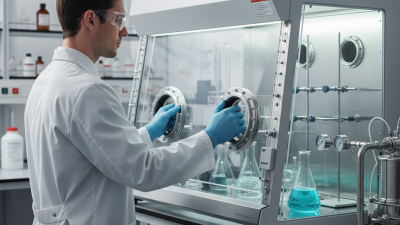
In the ever-evolving landscape of laboratory environments, the necessity for advanced containment technology has never been more crucial. The Single-Station Series Vacuum Glove Box represents a significant innovation in this arena, providing an effective solution for handling sensitive materials while minimizing contamination risks. According to a report by MarketsandMarkets, the global laboratory glove box market is projected to reach USD 600 million by 2025, growing at a CAGR of 6.5% from 2020. This growth highlights the increasing recognition of the importance of maintaining a controlled atmosphere in laboratory settings.
The benefits of employing a Single-Station Series Vacuum Glove Box are manifold, particularly in research and development sectors where precision and safety are paramount. These systems not only provide an inert atmosphere ideal for handling reactive substances, but they also enable seamless workflows and improved efficiency in experimental processes. Additionally, industry surveys indicate that laboratories utilizing glove boxes see an increase in productivity by up to 20% due to reduced contamination levels and enhanced operational control. As we delve into the top ten benefits of using a Single-Station Series Vacuum Glove Box, it becomes evident that this technology is a fundamental asset for laboratories striving for excellence in their operations.

Benefits of Enhanced Contamination Control in Laboratory Environments
In laboratory settings, contamination control is paramount to ensure the integrity of experiments and the reliability of results. A single-station series vacuum glove box stands out as an efficient solution for enhancing contamination control. This specialized equipment creates a controlled environment by isolating sensitive materials from external pollutants, significantly minimizing the risk of contamination. According to a report by the American Chemical Society, proper contamination control can improve the accuracy of experimental findings by up to 30%, highlighting the critical need for advanced containment solutions in research and development.
The vacuum glove box not only provides a barrier against airborne contaminants, but it also allows for a continuous monitoring system that alerts researchers to any potential breaches in integrity. Data from the National Institute of Standards and Technology indicates that laboratory contamination can account for up to 20% of experimental failures. By utilizing a vacuum glove box, laboratories can substantially decrease this rate, ensuring high-quality results and enhancing overall productivity. Furthermore, these glove boxes can be equipped with advanced filtration and air circulation systems, further enhancing their ability to maintain a sterile environment ideal for sensitive experiments and processes.
Top 10 Benefits of Using a Single-Station Series Vacuum Glove Box in Laboratories
| Benefit |
Description |
| Enhanced Contamination Control |
Minimizes risk of contamination from external sources, ensuring integrity of experiments. |
| Inert Atmosphere |
Provides a controlled inert atmosphere ideal for sensitive chemical reactions. |
| User Safety |
Protects users from exposure to hazardous materials and substances. |
| Versatility |
Allows for a variety of laboratory applications, accommodating different procedures. |
| Improved Workflow |
Streamlines processes and reduces the time spent on contamination checks. |
| Reduced Material Waste |
Decreases the likelihood of experiments being compromised, leading to less waste. |
| Simplified Maintenance |
Easier to maintain than traditional glove boxes, with straightforward cleaning protocols. |
| Cost-Effective |
Long-term savings on lab materials and reduced need for repeated experiments. |
| Compliance with Regulations |
Helps laboratories adhere to safety and contamination regulations more effectively. |
| Enhanced Collaboration |
Facilitates collaboration among researchers by ensuring consistent experimental conditions. |
Increased Safety for Handling Hazardous Materials with Glove Boxes
The use of a single-station series vacuum glove box in laboratories significantly enhances safety when handling hazardous materials. These controlled environments are designed to minimize exposure to harmful substances, reducing risks associated with spills, leaks, or contamination. A report by the National Institute for Occupational Safety and Health (NIOSH) indicates that approximately 13% of laboratory workers are exposed to hazardous materials daily, which underscores the need for robust containment strategies. By utilizing glove boxes, researchers can manipulate sensitive or dangerous substances while maintaining a physical barrier between themselves and the materials.
In addition to providing a secure workspace, single-station glove boxes also enhance process efficiency. According to a study conducted by the Occupational Safety and Health Administration (OSHA), the implementation of glove boxes in chemical handling processes has led to a 40% reduction in accidents related to splashes or inhalation of toxins. This is particularly vital in sectors like pharmaceuticals, where even minor exposure can lead to serious health repercussions. By employing glove boxes, laboratories can not only adhere to safety regulations more effectively but also foster a culture of safety that protects employees and maintains compliance with industry standards.
Improved Ergonomics and Usability for Laboratory Personnel
The design of a single-station series vacuum glove box significantly enhances ergonomics and usability for laboratory personnel. By integrating intuitive features and adjustable components, these glove boxes allow for comfortable and efficient workflow management. Users can perform tasks without the excessive strain often associated with traditional lab setups. The strategically placed glove ports and workspace configuration minimize the need for awkward twisting or reaching, which can lead to physical discomfort over extended periods.
Moreover, the simplicity of operation that these glove boxes provide enhances overall productivity. With easily accessible controls and clear visibility inside the chamber, laboratory personnel can quickly execute experiments while maintaining a high level of safety. The streamlined design reduces the learning curve for new users, enabling them to engage with the equipment more confidently. This user-friendly approach not only fosters a greater sense of satisfaction among staff but also aids in adhering to procedural standards with enhanced focus and precision.
Top 10 Benefits of Using a Single-Station Series Vacuum Glove Box in Laboratories
Minimized Sample Degradation During Experimental Procedures
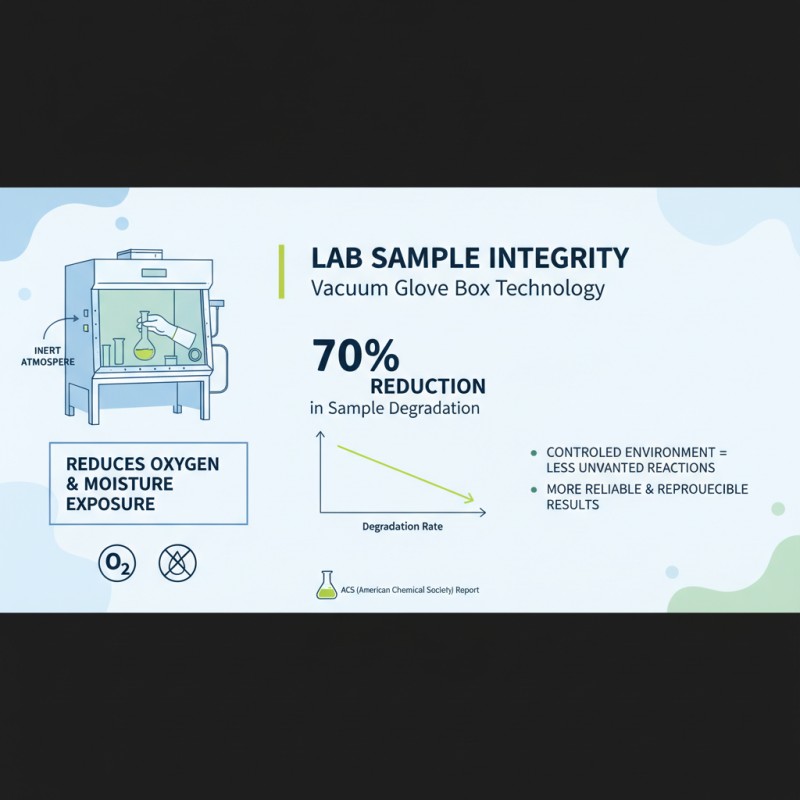
Minimized sample degradation is a critical concern in laboratory settings, particularly when conducting sensitive experiments that require precise measurements and analysis. Utilizing a single-station series vacuum glove box can significantly mitigate sample degradation, primarily due to its controlled atmosphere. According to a recent report by the American Chemical Society, maintaining an inert environment can lead to a decrease in unwanted reactions, effectively preserving the integrity of samples, especially those sensitive to oxygen and moisture. In fact, studies indicate that by reducing exposure to atmospheric contaminants, degradation rates can be cut by as much as 70%, ensuring more reliable and reproducible results.
Furthermore, the vacuum environment in a glove box allows for experiments to be conducted at lower pressures, which can further diminish sample interactions with free radicals and other reactive species. Research published in the Journal of Vacuum Science and Technology highlights that controlling variables such as pressure and gas composition can extend the viability of sensitive samples, particularly in chemical and biological research. Furthermore, since these glove boxes are specifically designed for ease of use by researchers, they facilitate meticulous handling, thereby minimizing the risk of contamination and degradation during experimental procedures. This combination of an inert controlled atmosphere and user-friendly design not only enhances the quality of experiments but also optimizes the overall workflow in laboratories.
Greater Flexibility for Diverse Applications Across Multiple Research Disciplines
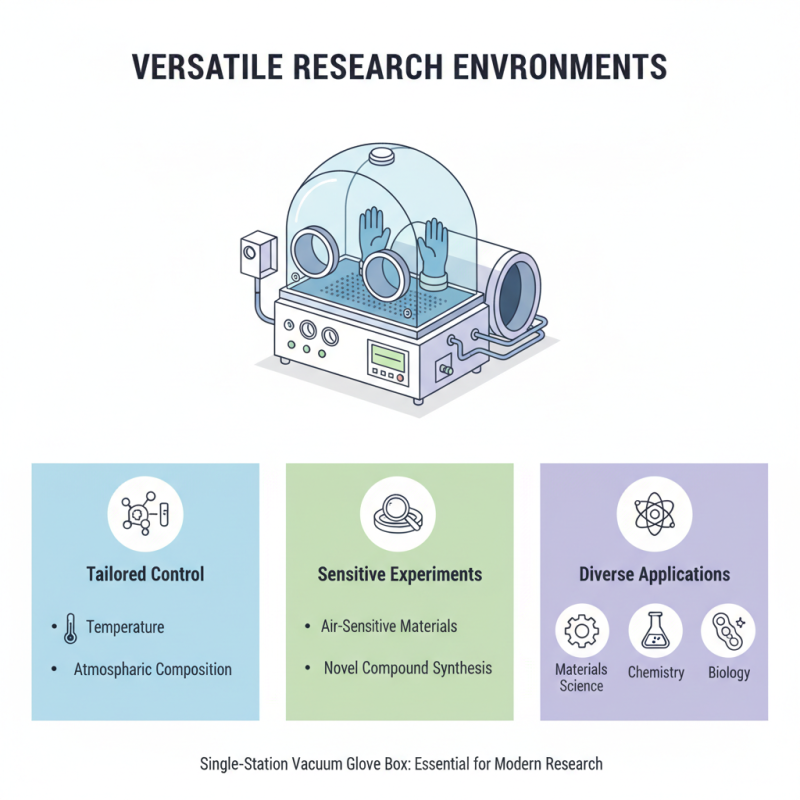
The utilization of a single-station series vacuum glove box offers remarkable flexibility, which is essential in today’s rapidly evolving scientific landscape. Researchers from various disciplines, including materials science, chemistry, and biology, find that this versatile equipment allows them to create a controlled environment tailored to their specific experimental needs. With the capability to manipulate variables such as temperature and atmospheric composition, scientists can conduct sensitive experiments that demand specific conditions. This adaptability extends to applications ranging from handling air-sensitive materials to synthesizing novel compounds, making it an invaluable tool across multiple research fronts.
Furthermore, the compact design of a single-station series vacuum glove box facilitates ease of integration into existing laboratory setups. This means that researchers can quickly shift focus between different projects without the need for extensive modification to their workspace. The glove box provides a secure and isolated environment for various applications, allowing interdisciplinary collaboration while maintaining the integrity of the experiments. As researchers delve into innovative solutions, the ability to seamlessly transition between diverse applications enhances productivity and accelerates discovery, showcasing the profound impact of this technology in scientific research.

 Cylindrical Cell Machine Line
  18650 Battery Pilot Line
  Pouch Cell Lab. Line
  Prismatic Cell Machine Line
  Spare Part





 Phone
Phone Send Email
 whatsapp
 Facebook
 Youtube