What is a 18650 Cylindrical Battery Pilot Line and Its Benefits?
The 18650 Cylindrical Battery Pilot Line represents a critical innovation in battery manufacturing technology. This new pilot line aims to enhance production efficiency and product quality, especially as the global demand for lithium-ion batteries surges. Recent market analysis indicates the lithium-ion battery market is projected to reach $100 billion by 2025, driven by electric vehicles and renewable energy applications.
However, establishing an efficient 18650 Cylindrical Battery Pilot Line poses challenges. Manufacturers must carefully balance high output with quality control. Reports show that battery defects can lead to significant safety hazards and financial losses. Addressing these issues requires ongoing research and careful monitoring of production processes.
The benefits of launching an 18650 Cylindrical Battery Pilot Line cannot be overstated. This line enables companies to explore new materials and technologies while optimizing existing processes. Implementing advanced automation and data analytics can foster continuous improvement. Balancing speed and quality remains a complex task. Companies must remain vigilant when adapting to industry needs and technological advancements.

What is a 18650 Cylindrical Battery Pilot Line?
A 18650 cylindrical battery pilot line is an essential facility for producing lithium-ion batteries. These batteries are widely used in consumer electronics, electric vehicles, and renewable energy storage. The pilot line serves as a testing ground for new production processes and technologies. It allows manufacturers to fine-tune their methods before scaling to larger production volumes.
According to industry reports, global demand for 18650 batteries is projected to grow significantly. In 2022, the market size reached approximately $12 billion, with a CAGR of 15% expected through 2030. The pilot line enables companies to experiment with different materials and configurations, ensuring the final product meets performance and safety standards. This is crucial, as even minor inconsistencies in production can lead to significant safety risks or efficiency losses.
The pilot line offers various benefits. It enhances production flexibility. This is vital as the battery market evolves. Companies can quickly adapt to market demands and innovate. However, relying solely on pilot lines also poses challenges. It requires investment and skilled labor. Not all companies can afford to maintain an advanced pilot line facility. Hence, the need for balance in production strategies is clear. Each pilot project should be strategically planned, ensuring resource allocation is effective.
Key Components of a 18650 Battery Pilot Line
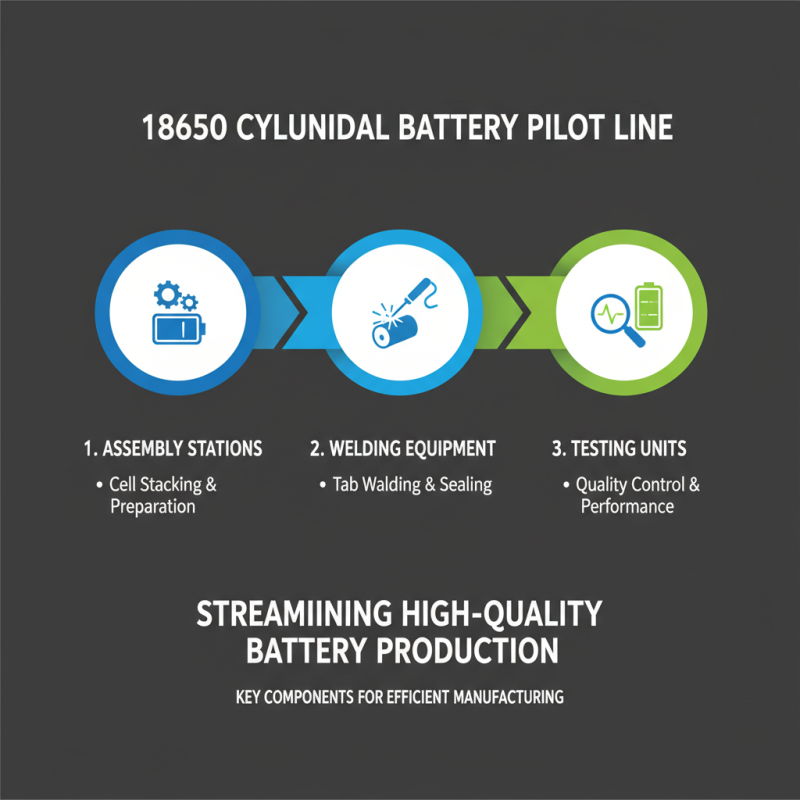
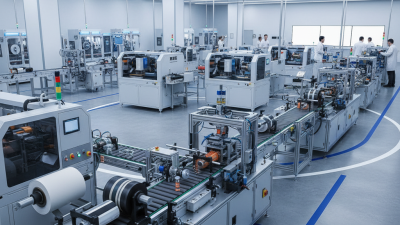
The 18650 cylindrical battery pilot line is vital for battery production. It consists of several key components that streamline the manufacturing process. These include assembly stations, welding equipment, and testing units. Each piece plays a crucial role in creating high-quality batteries.
Assembly stations are where the battery cells are put together. Precision is key here. Workers must align components carefully to avoid defects. Welding equipment then securely bonds parts. This step needs to be reliable to ensure performance.
Testing units assess each battery's functionality. They check voltage, capacity, and safety features. Flaws found during testing are critical for quality assurance. If a battery fails, adjustments are necessary.
Tips: Regular maintenance of the machinery is essential. Dirty or outdated equipment can lead to mistakes. Always document the process for better traceability. This practice helps in resolving issues more efficiently. Keeping detailed records can also inform future improvements.
Advantages of Implementing a Pilot Line for Battery Production
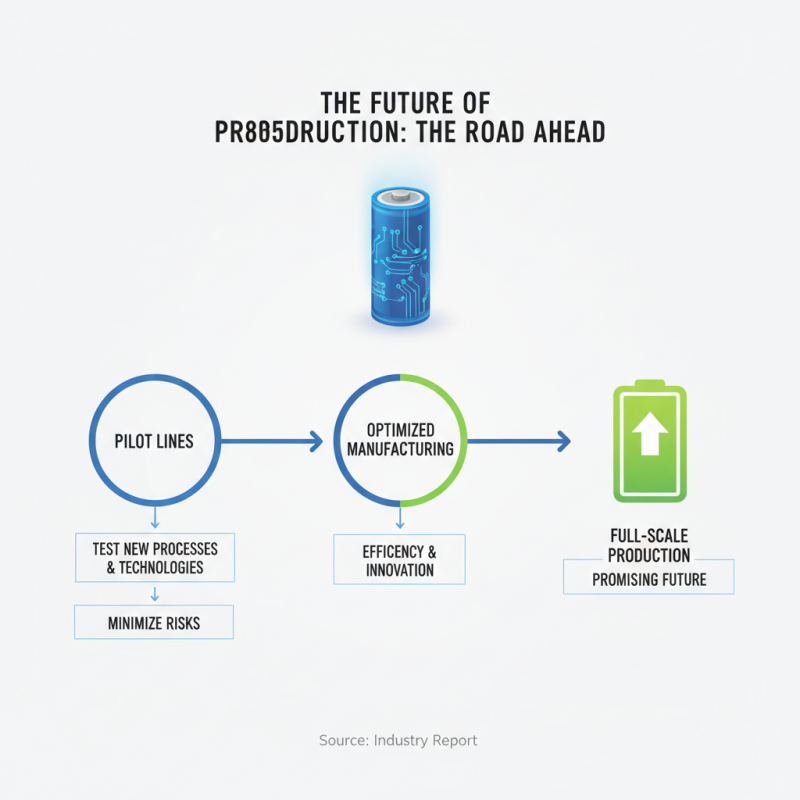
A 18650 cylindrical battery pilot line is a vital step in battery production. It provides a small-scale, controlled environment for refining manufacturing processes. Companies can test new techniques without the risk of large-scale production failures. This is crucial in an industry where safety and quality are paramount.
Implementing a pilot line delivers several benefits. It allows engineers to identify flaws early in the design stage. This can save time and money in the long run. Adjustments can be made quickly, leading to better efficiency. In a pilot line, specific materials and processes are evaluated thoroughly. This can sometimes lead to unexpected results, which require reflection and adjustment.
Furthermore, pilot lines foster innovation. They encourage teams to experiment with new ideas and approaches. This can lead to breakthroughs that might not occur in a full production environment. However, it’s essential to remember that not every idea will work. Learning from failures is part of the process. With careful tracking and evaluation, companies can optimize their methods, ensuring better products for end users.
Comparison of Pilot Lines vs. Traditional Manufacturing Methods
The development of 18650 cylindrical battery pilot lines marks a significant shift in manufacturing practices. Unlike traditional methods, pilot lines focus on optimizing efficiency and reducing costs. According to industry reports, pilot lines can increase production speed by up to 30%. This efficiency stems from streamlined processes and advanced automation.
Pilot lines utilize real-time data analytics. This allows manufacturers to identify issues promptly. In contrast, traditional methods often rely on fixed processes. These inflexible systems can lead to delays. Studies indicate that nearly 25% of traditional manufacturing time is spent on troubleshooting. By focusing on adaptability, pilot lines can minimize waste. This can lead to better resource management.
However, it’s not all seamless. Transitioning from traditional manufacturing to pilot lines poses challenges. Many manufacturers face a learning curve with new technologies. There can be an initial drop in productivity. This adjustment phase requires careful planning and management. Some companies may struggle to justify the upfront investment. Yet, long-term benefits often outweigh these initial hurdles.
Comparison of 18650 Cylindrical Battery Pilot Line vs. Traditional Manufacturing Methods

 Cylindrical Cell Machine Line
  18650 Battery Pilot Line
  Pouch Cell Lab. Line
  Prismatic Cell Machine Line
  Spare Part



 Phone
Phone Send Email
 whatsapp
 Facebook
 Youtube